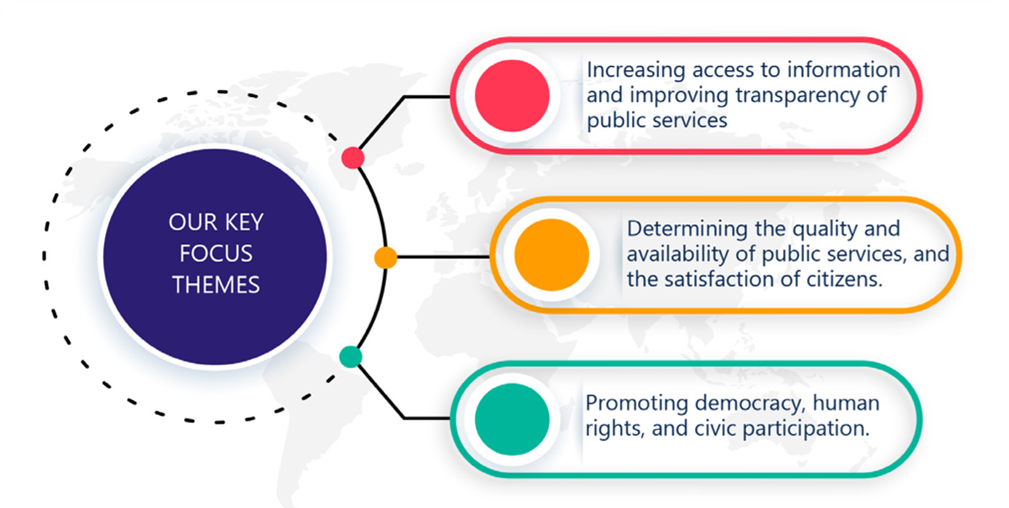
IRIM has been working in the field of democracy, civil space, and civil rights. Among the outstanding projects implemented in this field, in 2018, with the support of the World Society Foundation (WSF), an International Conference on Democracy in the 21st Century: Challenges and Ways Forward was successfully organized in Mongolia, which included 31 speakers from 14 countries and about 100 participants. As a result of this conference, a publication titled Democratic Struggles in Challenging Times: Insights from Mongolia and Around the World Publication was prepared. It was distributed to the public (in English and Mongolian) and made available to researchers in many countries. Also, on the issues of democracy, the electoral system and citizens’ participation, public opinion surveys have been organized every year; and the results (presented to policymakers, academics, and citizens) and have become popular topics of discussion.
Since 2020, IRIM has been a member of the Asian Democracy Research Network (ADRN), working to share the results of research in the field of democracy internationally and networking. Also, the Institute is cooperating with international organizations - such as the International Center for Not-for-Profit Law (ICNL), the United States Agency for International Development (USAID), and the International Republican Institute (IRI) - in research and projects on this topic.
Since the issue of ensuring the participation and representation of diverse social groups is important in the field of governance, IRIM adheres to the GEDSI approach (Gender Equality, Disability, and Social Inclusion). This seeks to include equal representation of gender, disabilities, and vulnerable groups in all IRIM’s research and projects in this field. In 2024, political elections (an important way to ensure citizens’ participation in governance) will be held in more than 60 countries around the world, and half of the world’s population will participate in the elections. In this regard, IRIM aims to ensure the equal representation (of those groups at risk of being left out) in all stages of research projects in the field of governance; to contribute to the equal empowerment of the right to vote and be elected by all social groups.